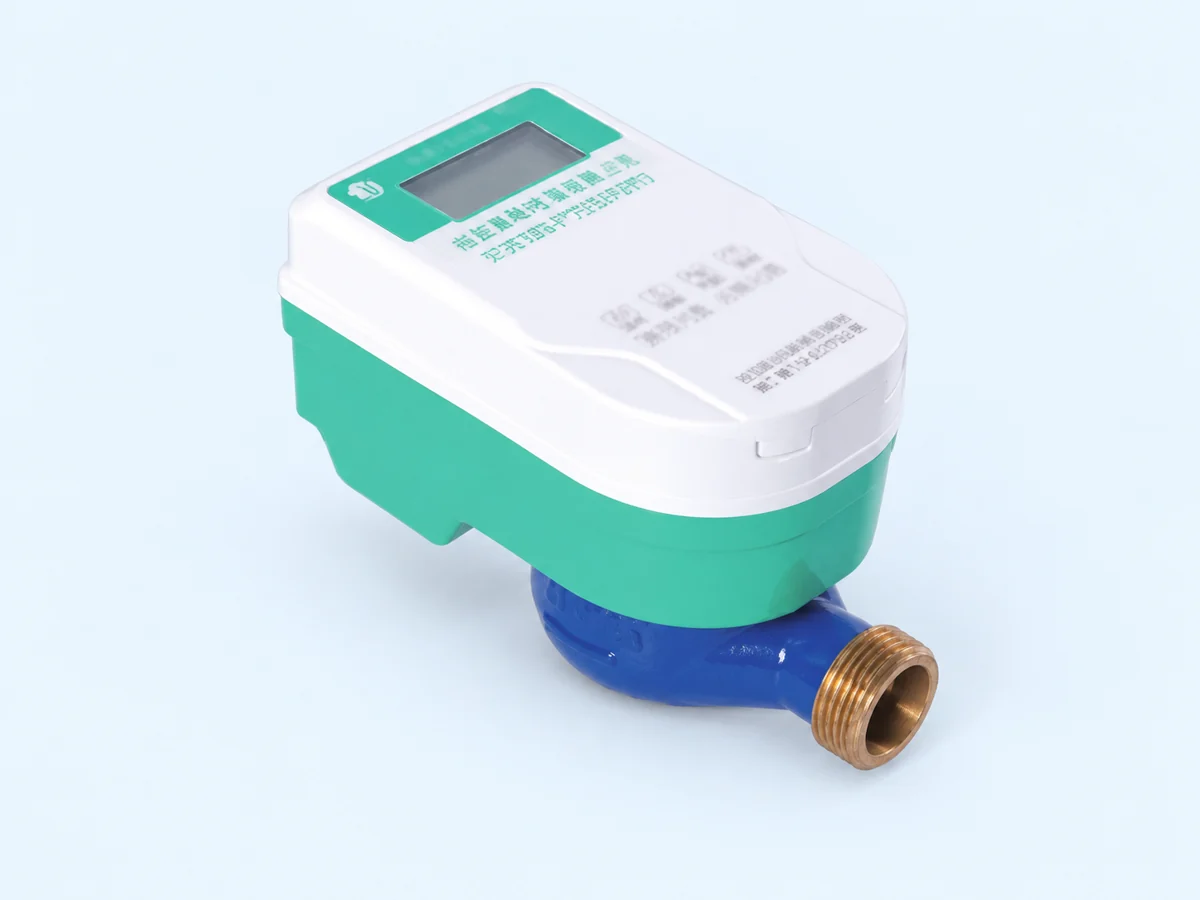
Pay Before Use
Purchased credit is loaded into the meter and deducted as water is used.

Compare prepaid smart water meters by recharge method, installation needs and system pairing. Review LXSK flow data, sizes and project inquiry options.
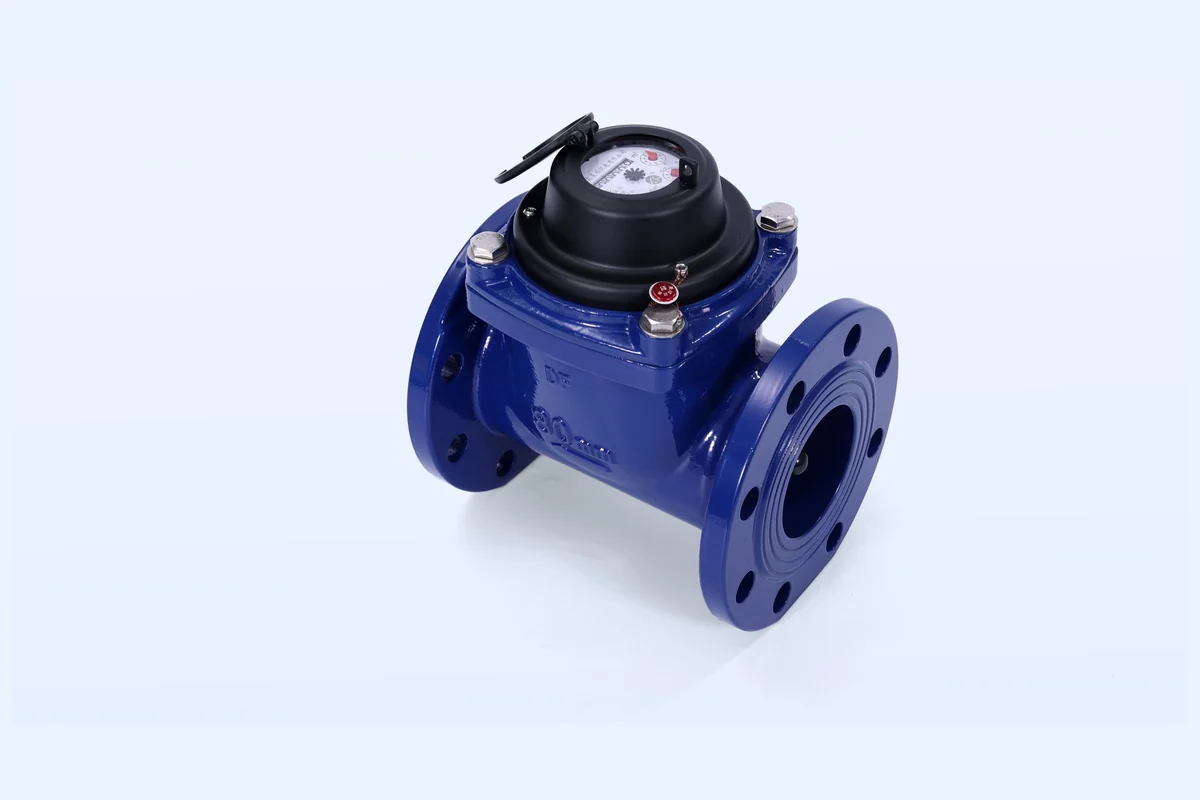
Collect payment before water is used. Choose a top-up method that works for your users and a management system that works for your project.
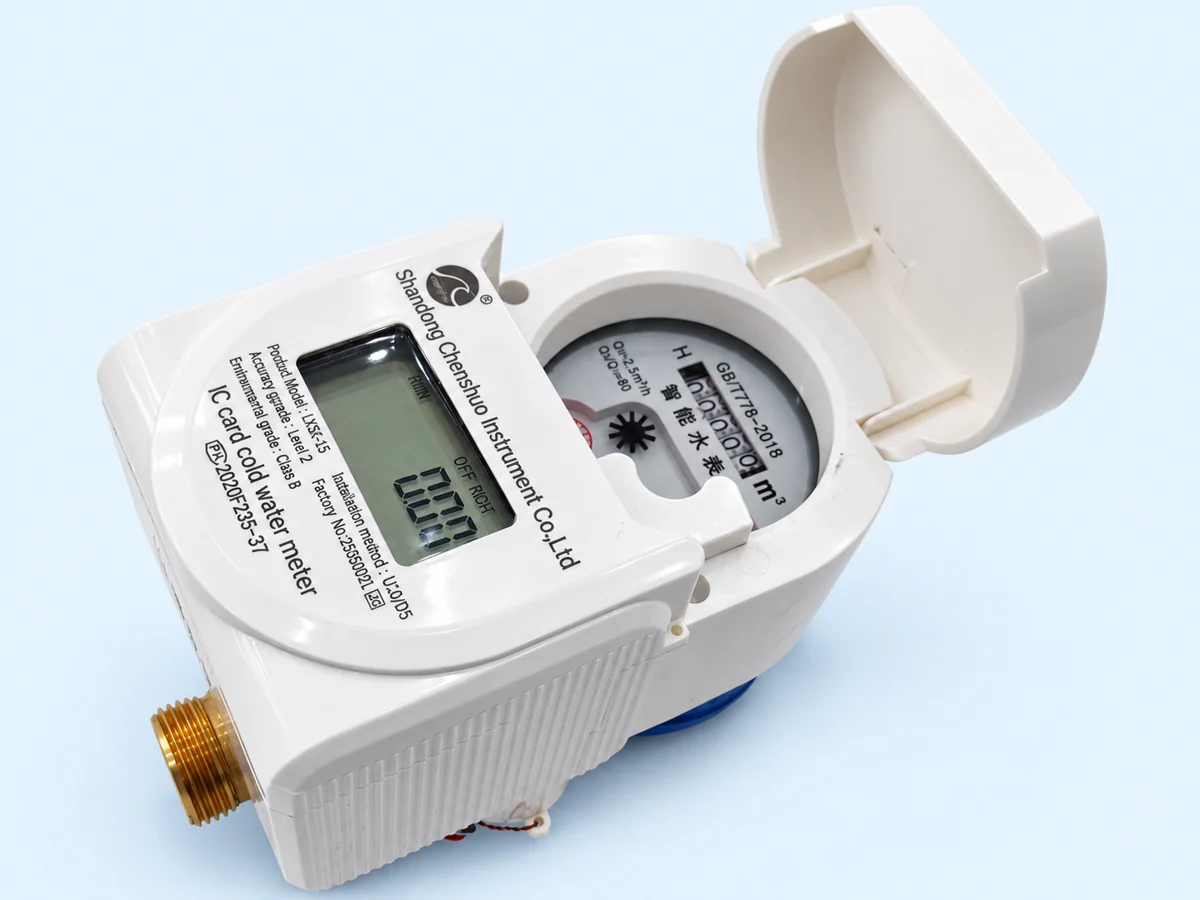
Manage purchased credit, let users know when to top up, and control water use through the meter’s valve.
Purchased credit is loaded into the meter and deducted as water is used.
Prompt users to recharge before the available allowance is exhausted.
The valve closes when the available credit or water allowance is used up.
Query meter information and use compatible card read-back functions for management.
These functions are configured by project; they are not all standard on every version.
IC card water meter series, from contact and contactless versions to dedicated-use, Bluetooth, infrared and wired models.
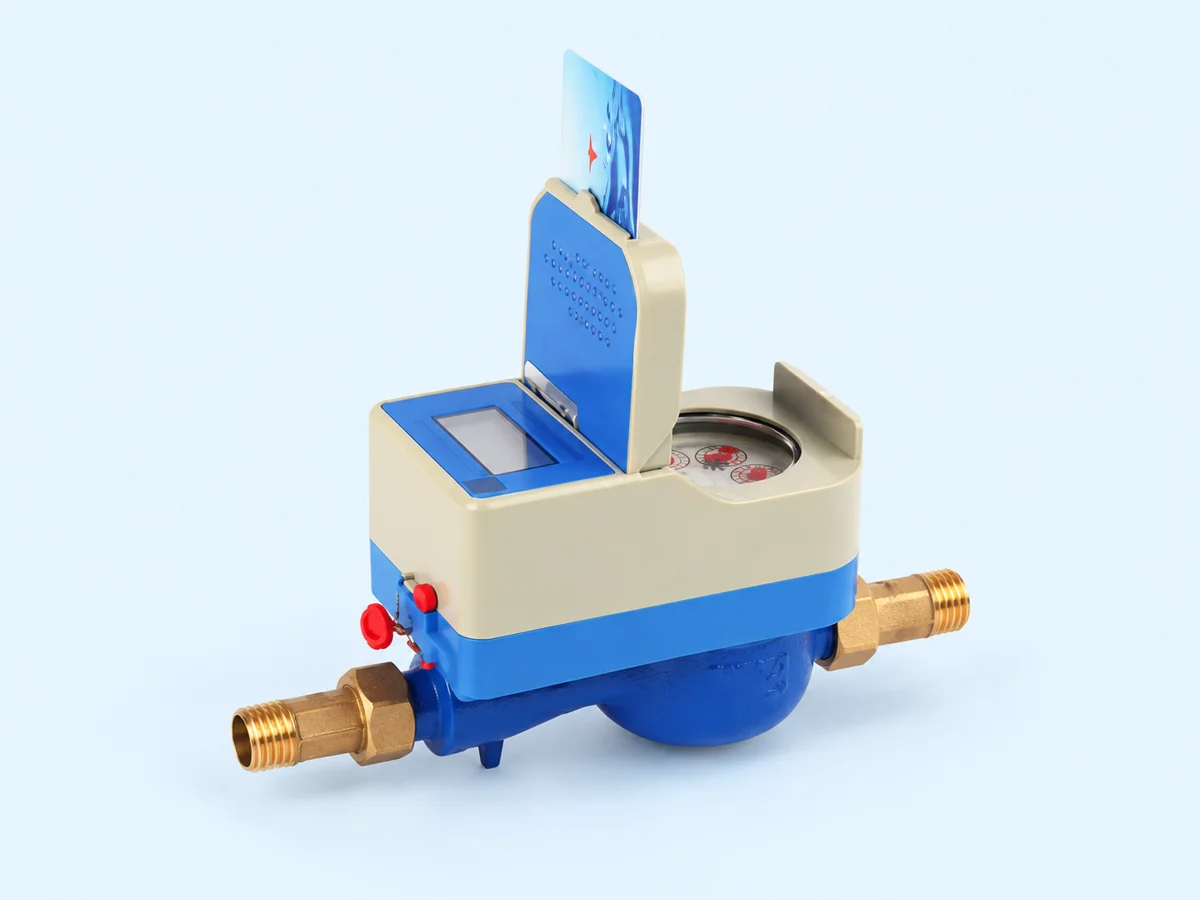
Load purchased credit at the meter with an inserted IC card.
Suitable projectsFor projects with convenient access to the meter and an established card-vending process.
Matching equipmentCompatible IC cards, a card reader and water-vending software.
Insert-card credit loading for accessible meter locations.
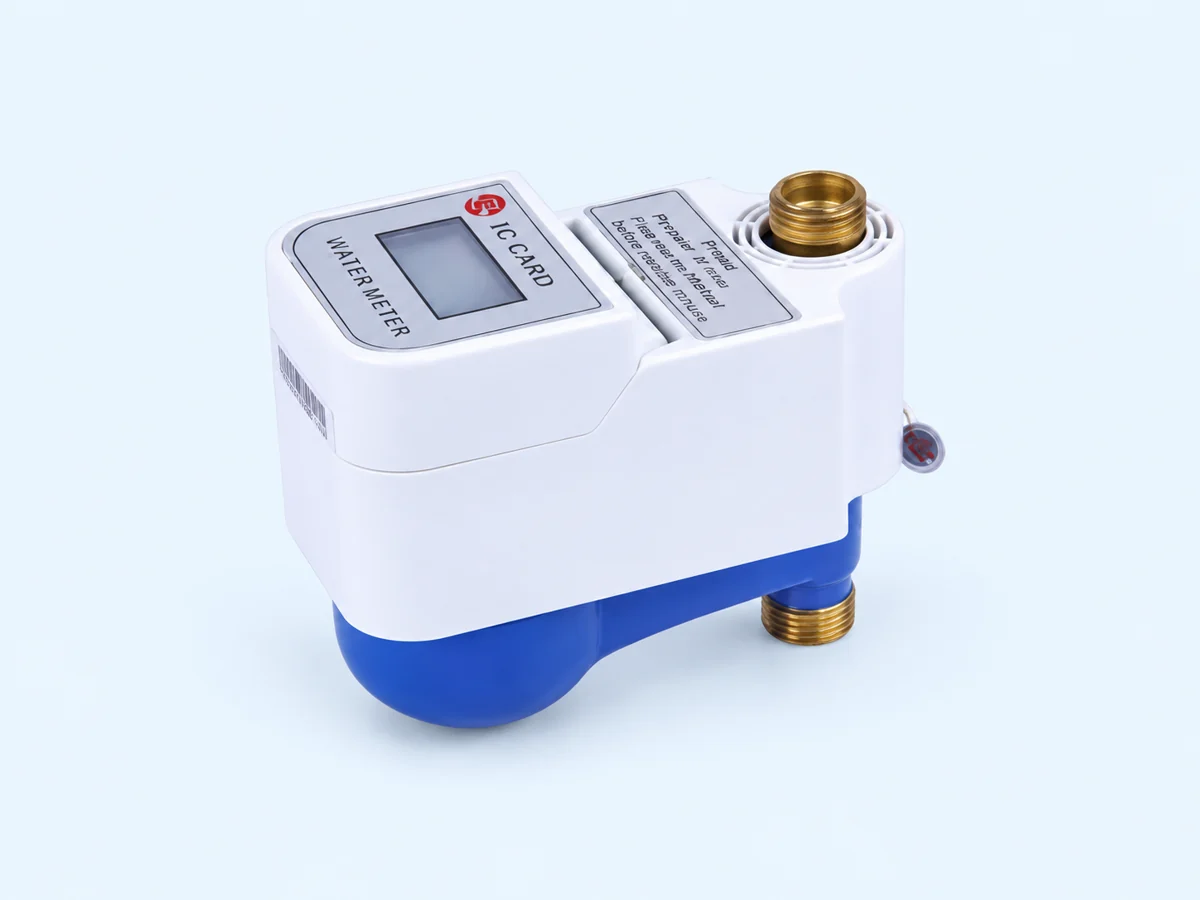
Dedicated DN15 and DN20 dimensions for the vertical contact-card version.
User-replaceable dry batteries simplify routine battery replacement.
| Model / DN | L (mm) | W (mm) | H (mm) | Meter thread | Connector thread |
|---|---|---|---|---|---|
| LXSK-DN15 (vertical) | 178 | 91 | 158 | G3/4B | R1/2 |
| LXSK-DN20 (vertical) | 178 | 91 | 158 | G1B | R3/4 |
These dimensions apply to the vertical contact-card version only.
Contactless card prepayment, including a dedicated IP68-protected version.
Suitable projectsFor projects that want a local card-based top-up process without a card slot.
Matching equipmentCompatible contactless cards, a contactless reader and water-vending software.
Single-jet and multi-jet dry-type radio-frequency card meters.
Suitable projectsProjects specifying a dry-type radio-frequency card water meter.
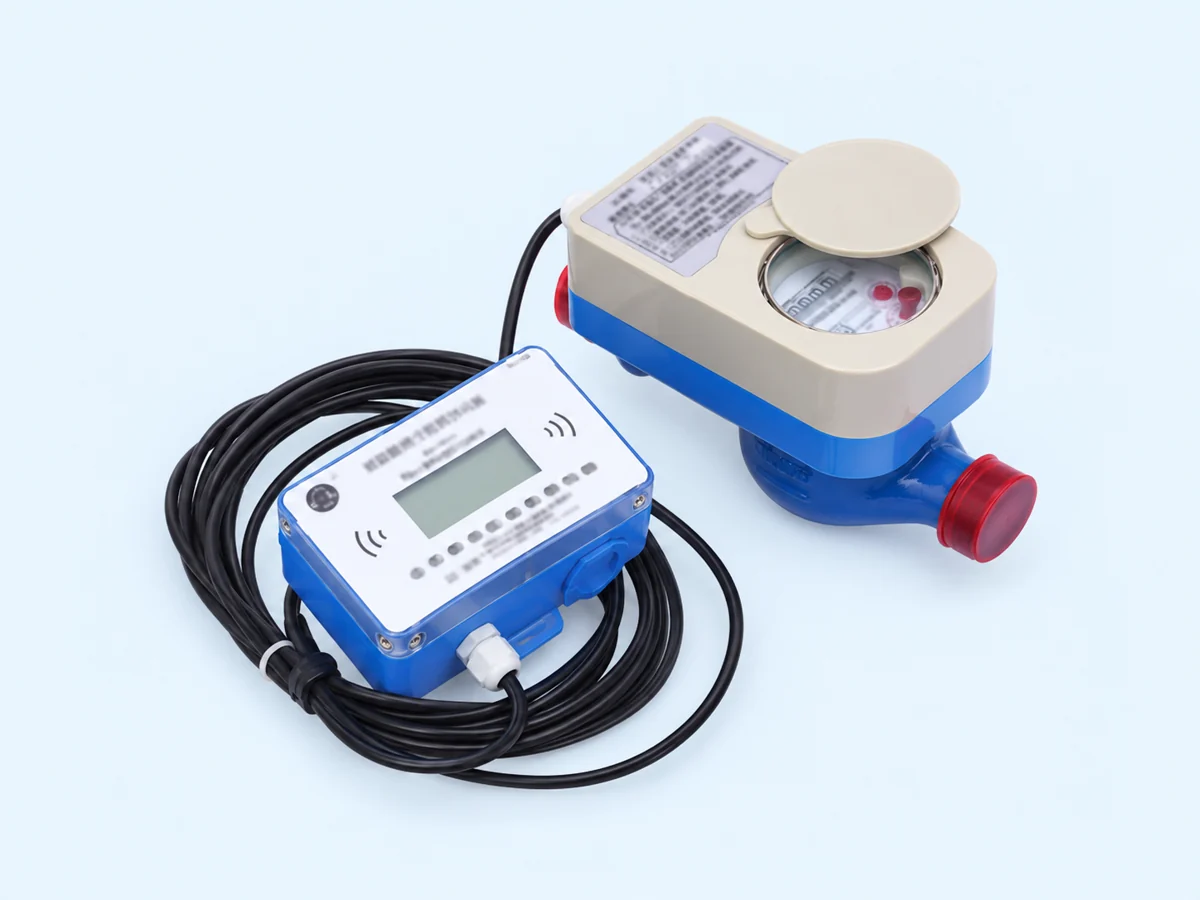
Keep the card-access electronics separate from a difficult-to-reach meter body.
Suitable projectsMeter wells and damp locations where access at the meter body is inconvenient.
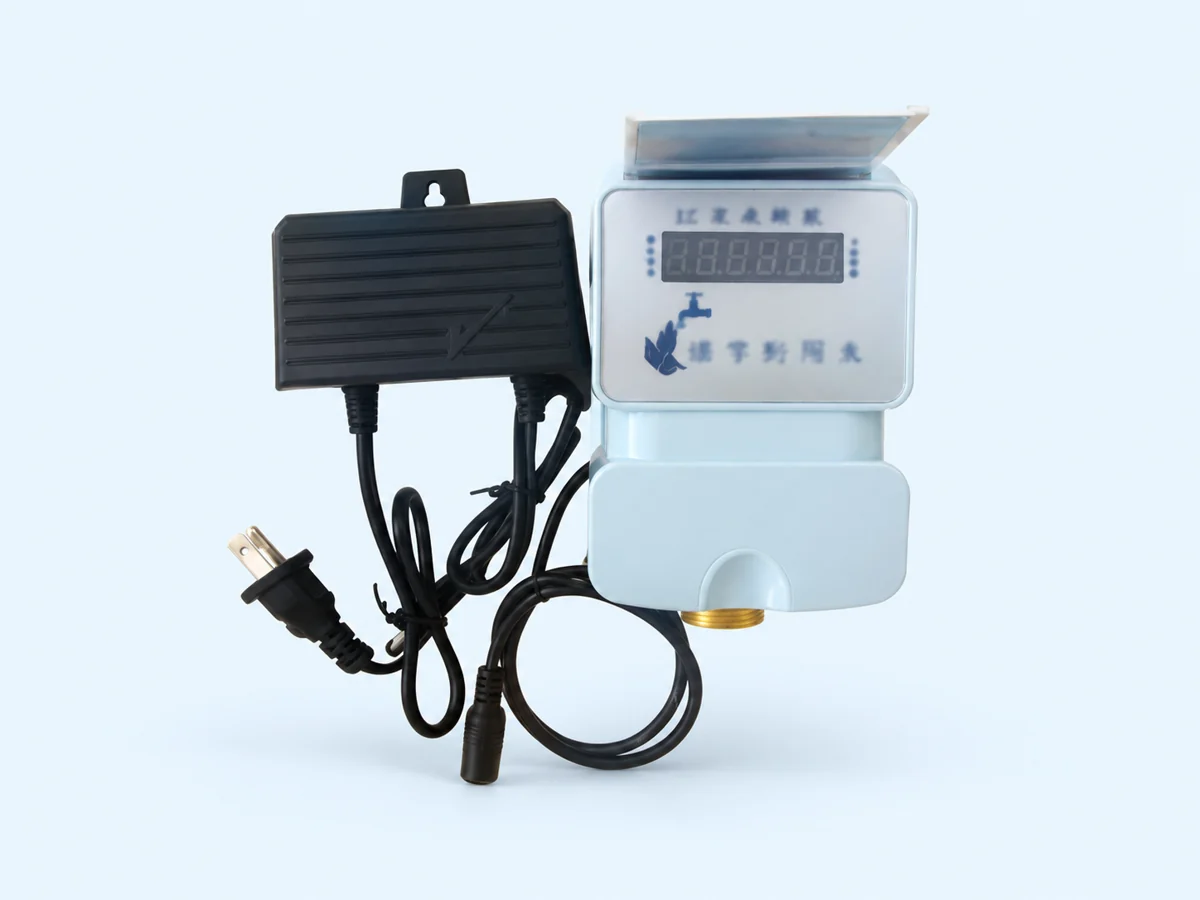
Serve multiple card users at a shared water point.
Suitable projectsSchools, workplaces, public facilities and communal water points.
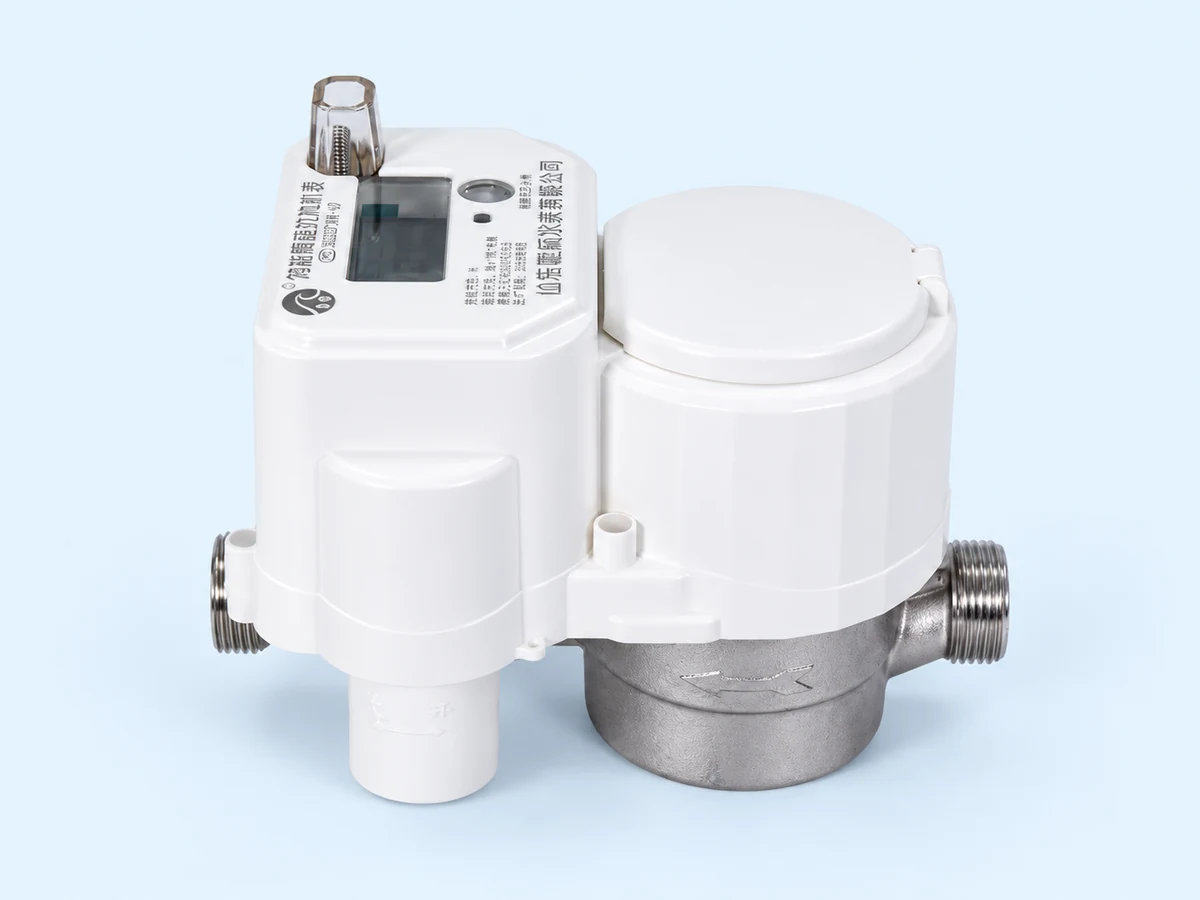
Prepaid metering for a separate pure-water supply.
Suitable projectsProjects with a dedicated pure-water supply and charging requirement.
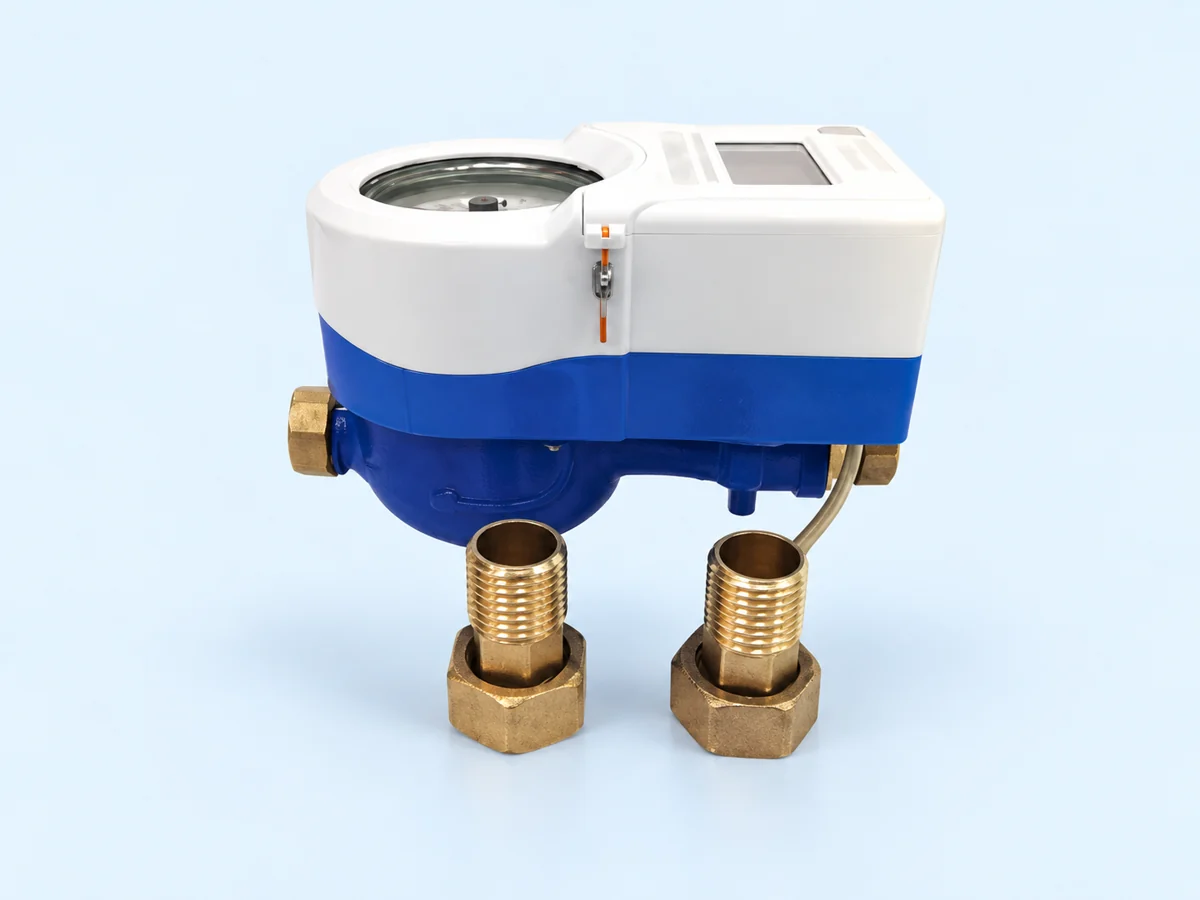
Bring prepaid metering into a wired M-BUS or RS485 management system.
Suitable projectsFor projects with a planned wired network and centralized meter management.
Matching equipmentThe selected bus interface, compatible collection equipment and management software.
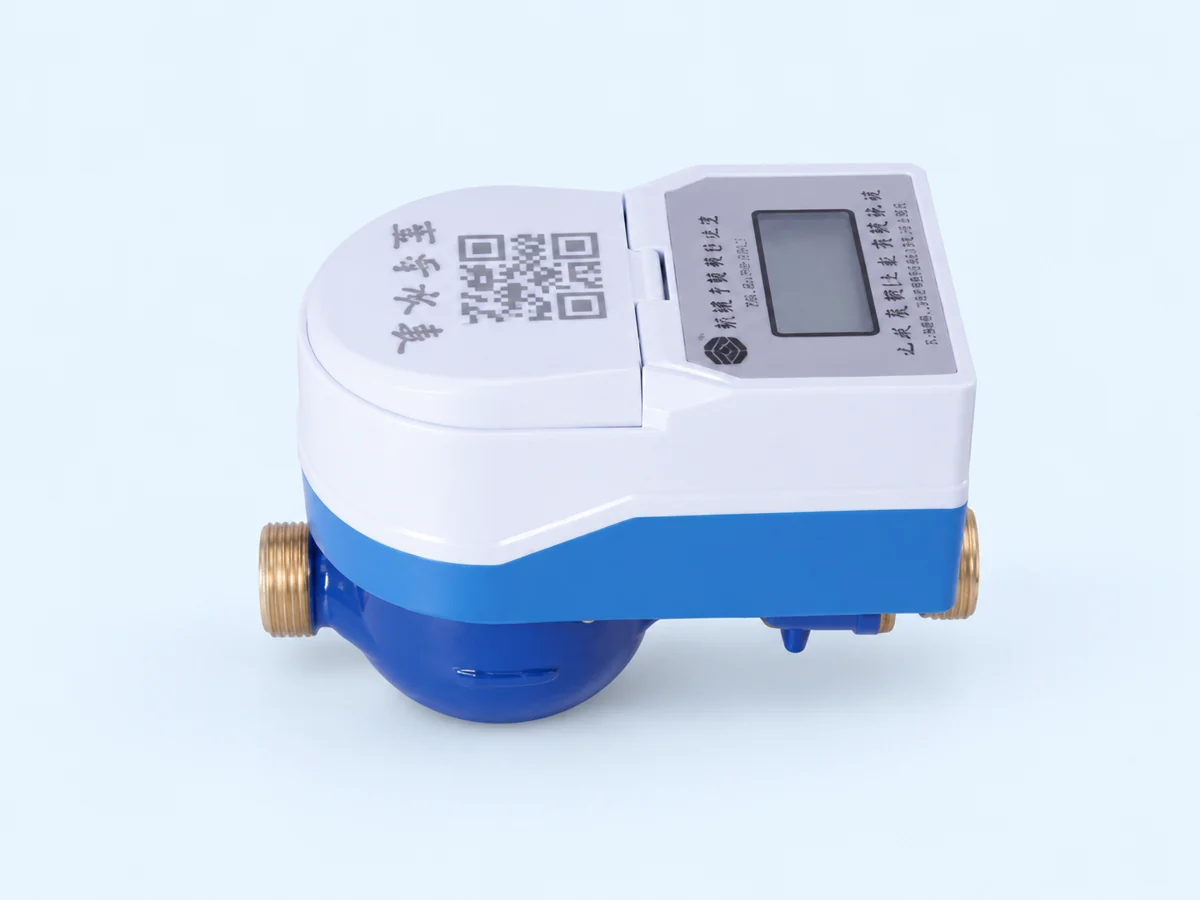
Use a mobile app and Bluetooth to exchange data with the meter.
Suitable projectsFor projects planning an app-based top-up workflow with compatible phone and platform support.
Matching equipmentThe compatible mobile app, software platform and project-specific account setup.
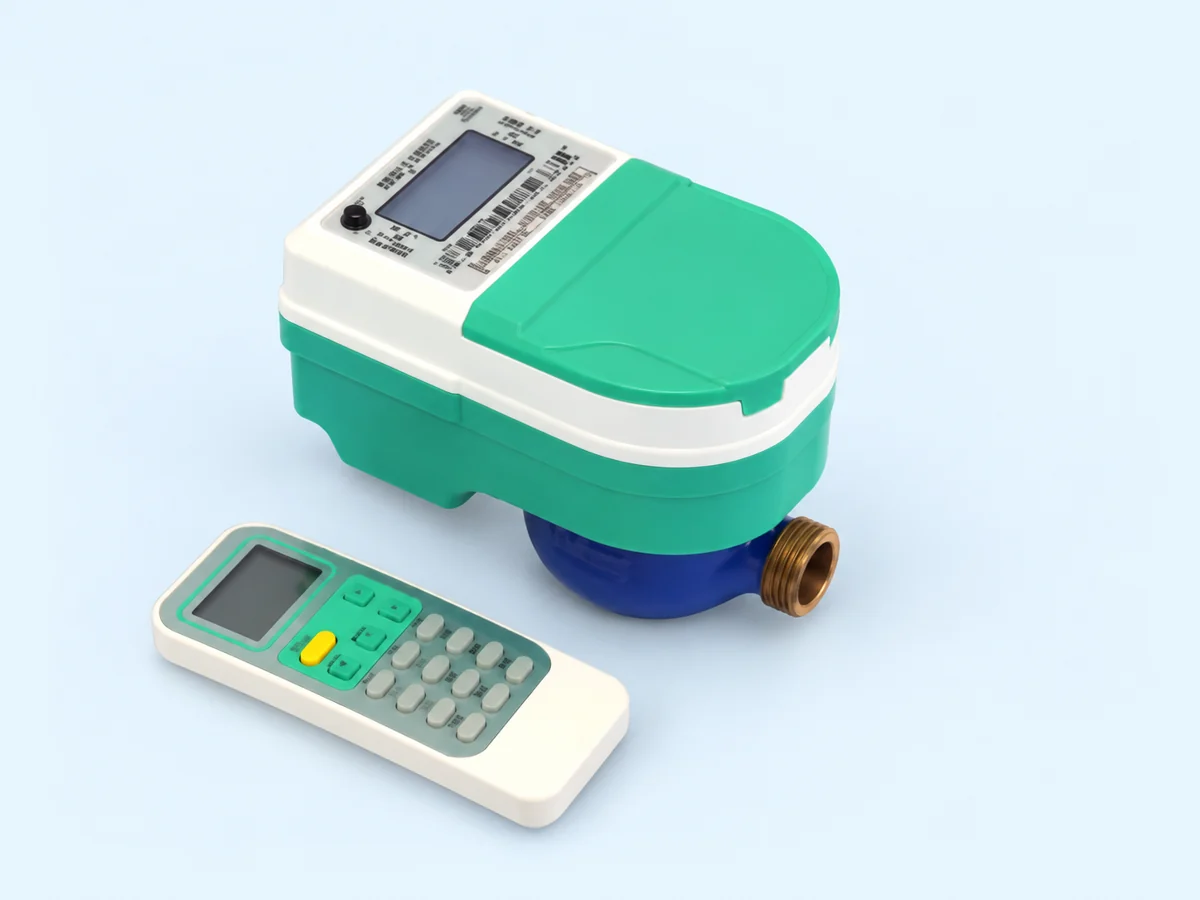
Load credit using an infrared handheld device and an encrypted recharge code.
Suitable projectsFor locations with limited public-network coverage where an infrared top-up process is preferred.
Matching equipmentAn infrared handheld device and compatible recharge-code / vending software.
General LXSK flow and standard-size tables. These are series references, not model-specific specifications for every product above.
| Model / DN | Q3 (m3/h) | Q2 (m3/h) | Q1 (m3/h) | Q3/Q1 |
|---|---|---|---|---|
| LXSK-15 / DN15 | 2.5 | 0.05 | 0.0313 | 80 |
| LXSK-20 / DN20 | 4 | 0.08 | 0.05 | 80 |
| LXSK-25 / DN25 | 6.3 | 0.126 | 0.0788 | 80 |
Q3: permanent flow rate. Q2: transitional flow rate. Q1: minimum flow rate. Values reproduced from the catalogue’s series flow table.
| Model / DN | L (mm) | W (mm) | H (mm) | Meter thread D | Connector thread d |
|---|---|---|---|---|---|
| LXSK-DN15 | 165 | 96 | 115 | G3/4B | R1/2 |
| LXSK-DN20 | 195 | 96 | 115 | G1B | R3/4 |
| LXSK-DN25 | 225 | 96 | 115 | G1-1/4B | R1 |
L: length; W: width; H: height. D and d follow the catalogue’s connection labels.
Catalogue reference: printed page 22. General flow and dimension tables do not establish size availability for every special version. Match the selected model, connection and installation length before ordering.
For a card-based project, the software, reader, cards and meters must work together.
Use the compatible water-vending software.
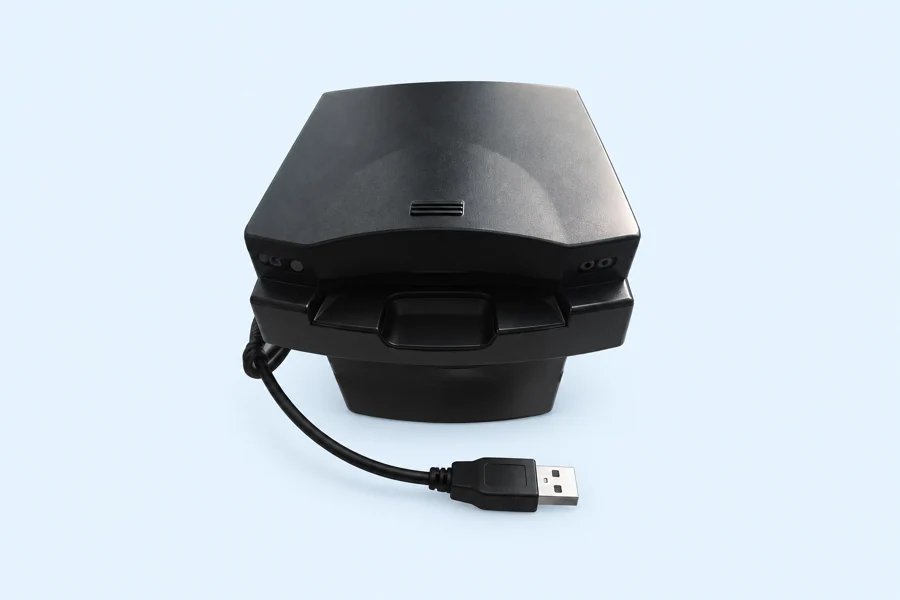
Use a matching reader and project card.
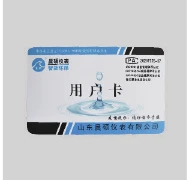
Insert or present the card, depending on the model.
The meter deducts credit and manages its valve.
Bluetooth, infrared and wired projects use their own matching devices and software. Share your existing system details so compatibility can be reviewed.
Bring your recharge process, installation conditions and billing rules to the same conversation. Compare meter versions alongside the cards, readers and software your project needs.
Discuss supply of meters and matching project equipment.
Configure tiered tariffs and other project-specific billing functions.
Request model information, installation dimensions and applicable documents.
Recharge, compatibility and installation questions for prepaid-meter projects.
Discuss your requirementsAn insert-card meter uses physical card contact to load credit. A contactless model reads the card at a sensing area. Both support a prepaid workflow; the card and reader must match the selected system.
Low-balance alerts prompt users to recharge; the valve closes when the available credit or water allowance is exhausted. Ask for the threshold settings and recharge / reopening sequence for your project.
Compatibility must be checked. Share your card type, reader, software and interface requirements before ordering. An IC-card label alone does not establish compatibility with another supplier’s system.
Tiered tariffs, minimum-consumption charging and power-loss valve closure are customizable functions. Include the functions and billing rules you need in your project inquiry.
A split electronic unit provides easier access in damp locations; the dedicated IP68 non-contact design offers a sealed alternative for demanding environments. These are different solutions; do not assume every recharge method is available in both designs.
No. These are different recharge and communication routes. Select a matching model and supporting system rather than treating every interface as standard on one meter.
General small-diameter LXSK dimensions are listed here for DN15, DN20 and DN25, plus dedicated vertical contact-card dimensions for DN15 and DN20. Those general tables do not establish the size availability of every special version.
Tell us how users will top up, where the meters will be installed and the pipe size. Get help matching meters, vending equipment and project documents.
Where this model is specified, and who is usually the buyer.
Tell us the sizes and quantities you need and we will come back with pricing, lead time and the data sheet.
Prefer to talk to us directly?