Application

Residential Metering

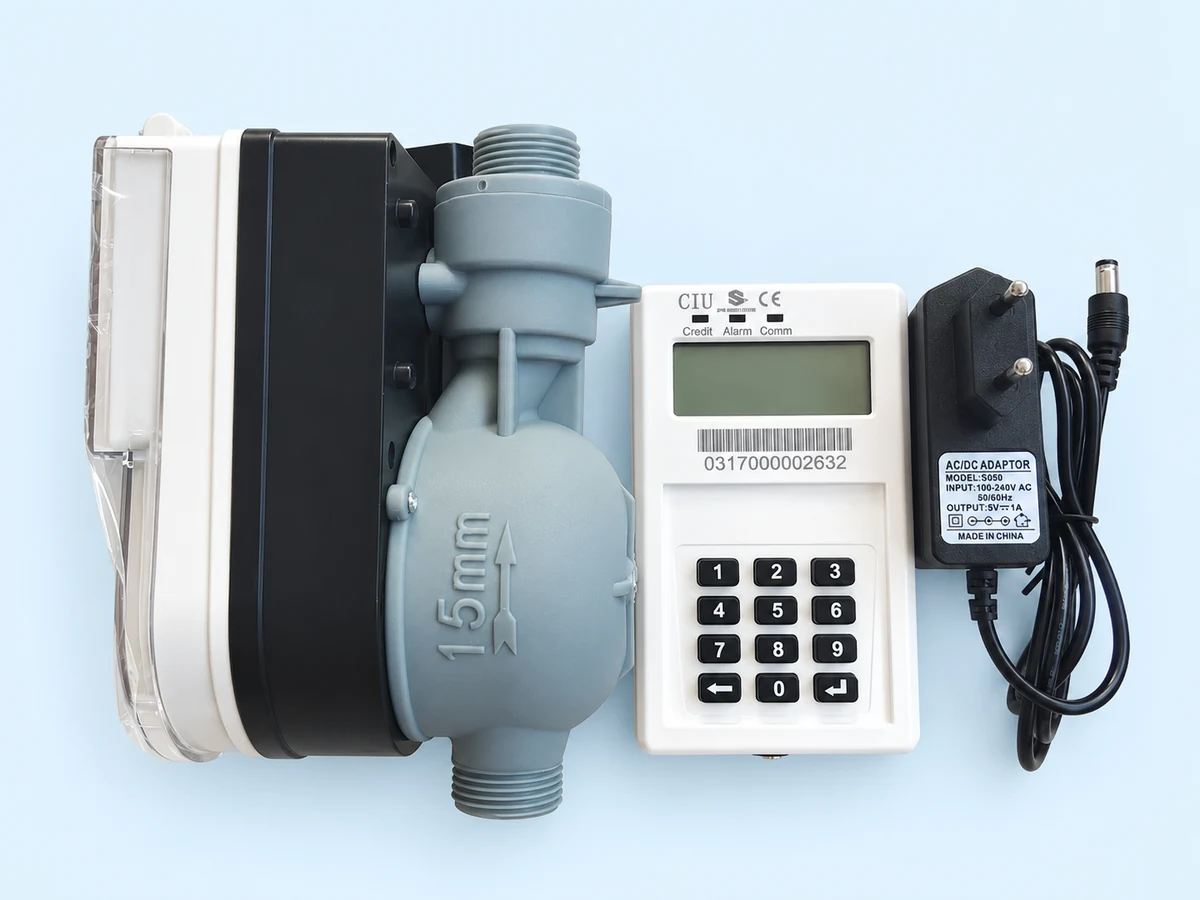
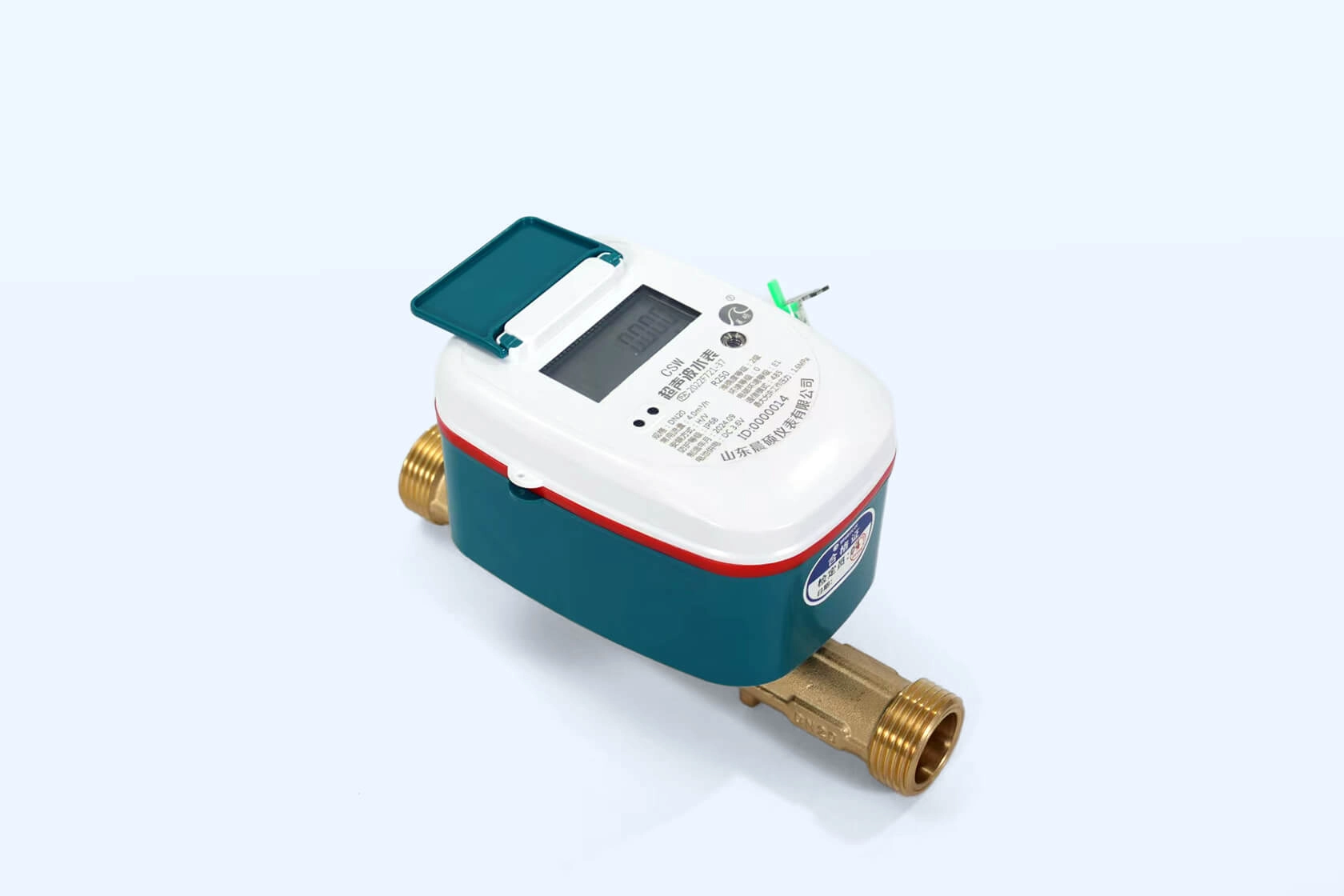
Residential metering covers every point where a household, an apartment unit or a dormitory room has to be billed for the water it actually uses. Chenshuo supplies DN15-DN25 STS prepaid meters for token-based billing, DN15-DN65 multi-jet mechanical meters for conventional household metering, and DN15-DN40 ultrasonic meters where a low starting flow and no moving parts are what the project calls for.

Typical sizes: DN15-DN40

Who buys this, and what they care about

The same meter is bought for different reasons depending on who is signing. These are the four roles that come up most often on this type of project.

Housing developers and contractors

One model per unit count, one delivery schedule, and meters that installation crews can fit without sorting on site.

Property management companies

Taking over billing in occupied buildings, where arrears and manual reading rounds are the two costs that hurt.

Municipal water utilities

Household metering programmes and replacement rounds that run block by block over a fixed budget.

Dormitory and staff-housing operators

High tenant turnover, so per-room control matters more than long-term accuracy drift.

What decides the order

Four things that most often settle whether a project goes ahead with us.

Prepayment removes the arrears problem

STS keypad meters are recharged by token. There is no monthly reading round and no unpaid bill to chase, which is usually the reason a landlord switches to prepaid in the first place.

One meter family per block

DN15-DN25 covers household connections. Keeping one family across a block means spares are interchangeable and maintenance staff only learn one meter.

Unit mapping before dispatch

Meters can be numbered and labelled per apartment before they leave the factory, so the installation crew is not sorting serial numbers in a stairwell.

Valve control makes prepayment enforceable

Prepaid meters close the valve when credit runs out. Without valve control, prepayment is only a notice, not a cutoff.

The situations inside this group

This group covers several distinct jobs. Find the one closest to yours.

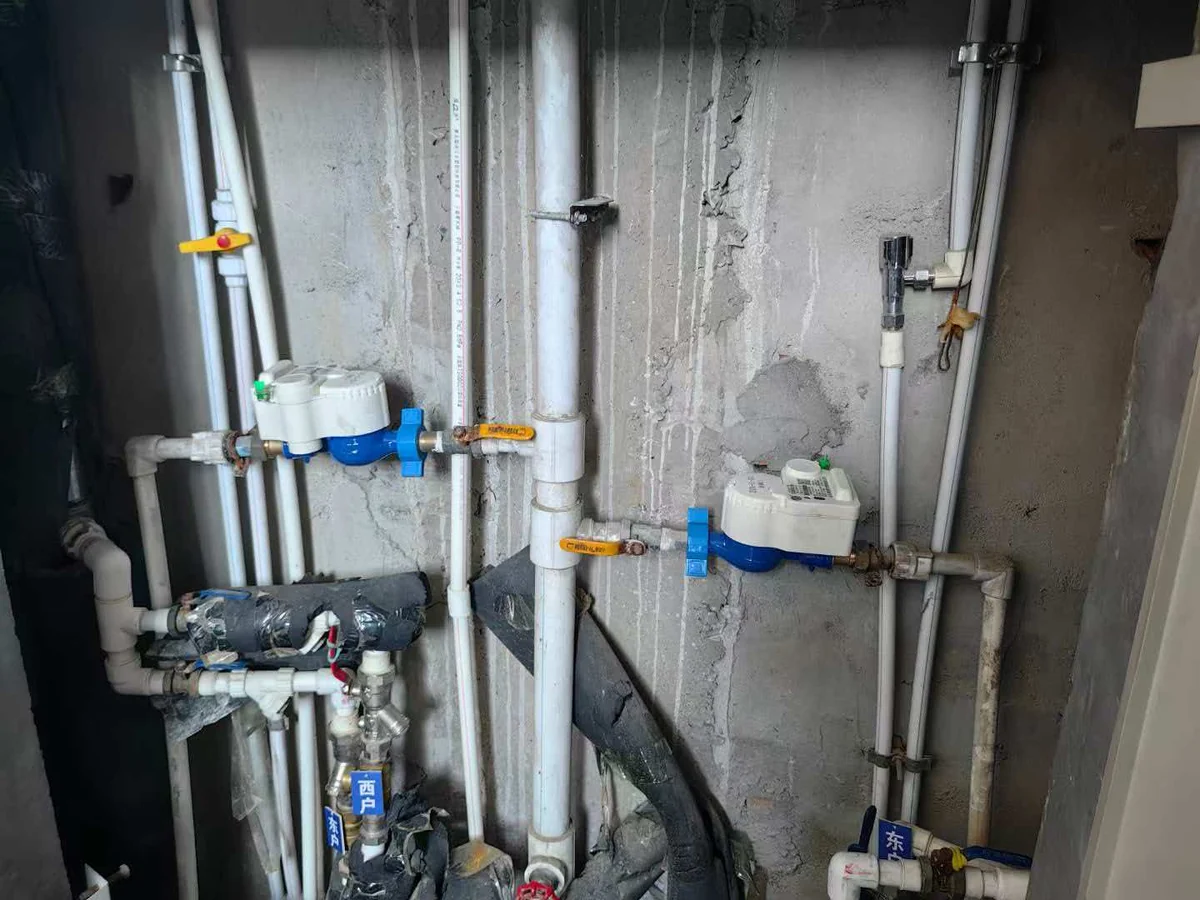
Household water meters installed in a residential block

Apartment block metering

A block is normally metered at two points: a bulk meter at the building inlet that the utility bills, and one household meter per apartment that the landlord or manager bills. The two rarely agree, because the inlet meter also sees common supply, leakage and the difference in reading dates. Fitting a household meter per unit is what makes the split defensible to tenants.

  • DN15-DN25 covers the standard household connection.
  • Mechanical multi-jet for conventional billing, ultrasonic where a low starting flow is the requirement.
  • Prepaid versions remove the need to read each unit every month.
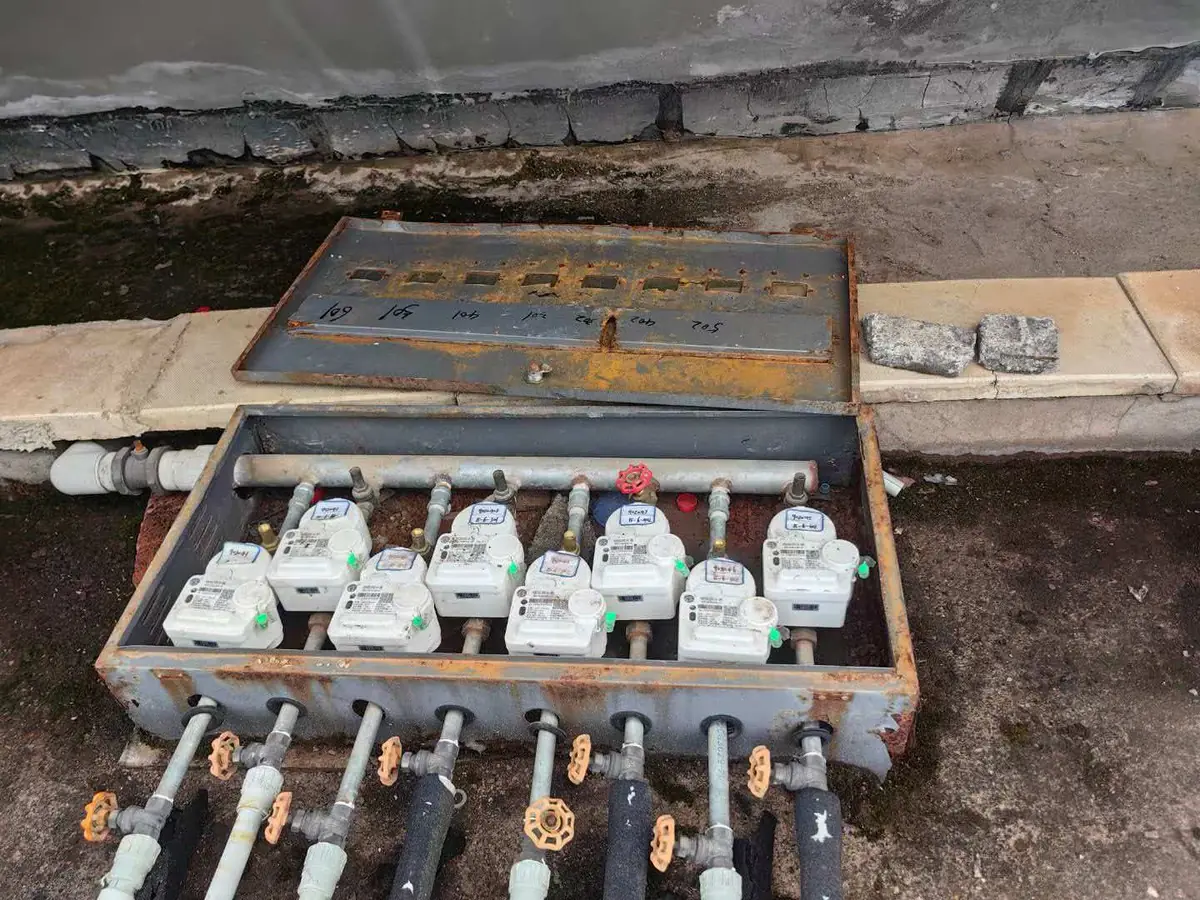
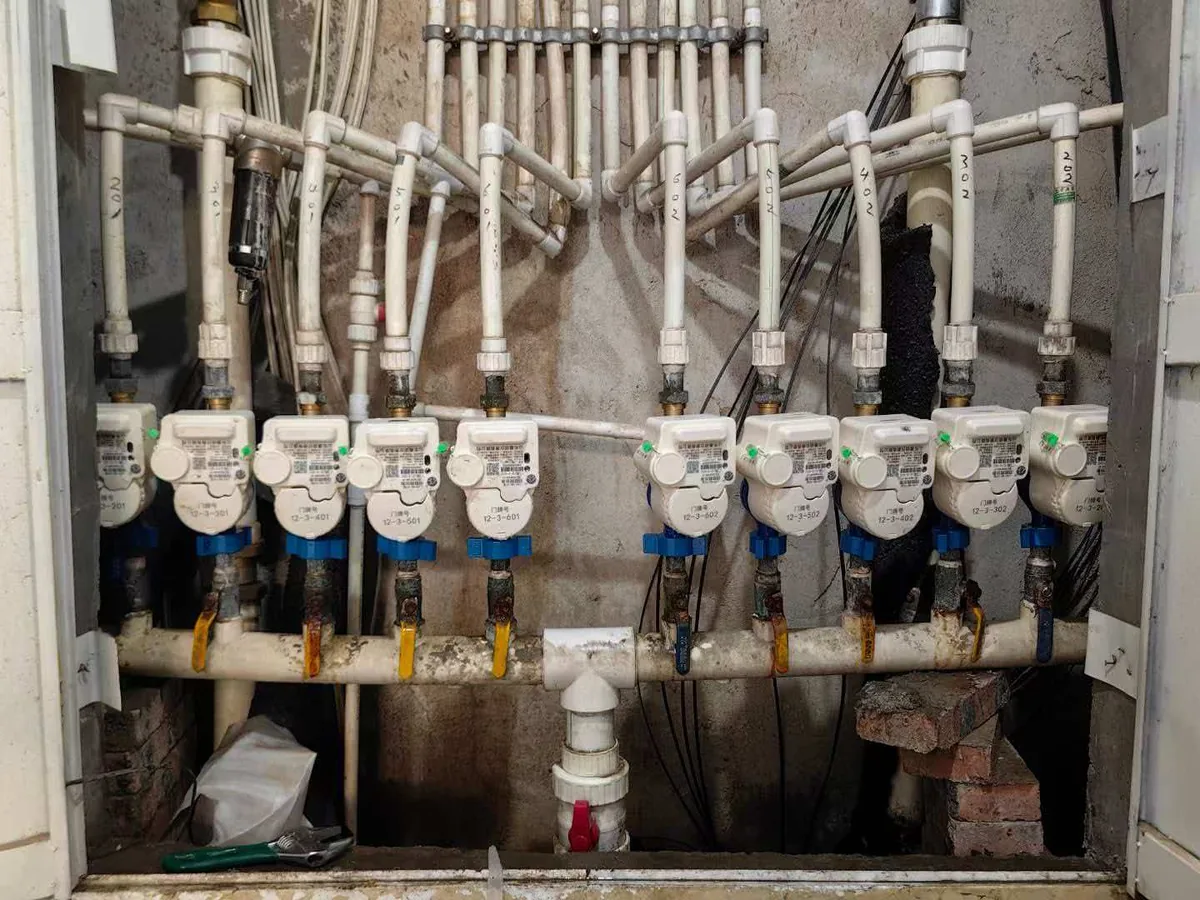
Bank of sub-meters serving individual units

Per-tenant and per-unit sub-metering

Sub-metering splits one supply contract into individual bills. It is used where a landlord buys water in bulk and resells it to tenants, and where a property manager needs to charge each unit for what it used rather than dividing the total by unit count. The practical requirement is a meter per unit that tenants can see and accept.

  • One meter per unit, DN15 or DN20 in most layouts.
  • Prepaid or postpaid depending on whether the operator wants to bill or to collect in advance.
  • Serial-number-to-unit mapping supplied before dispatch.
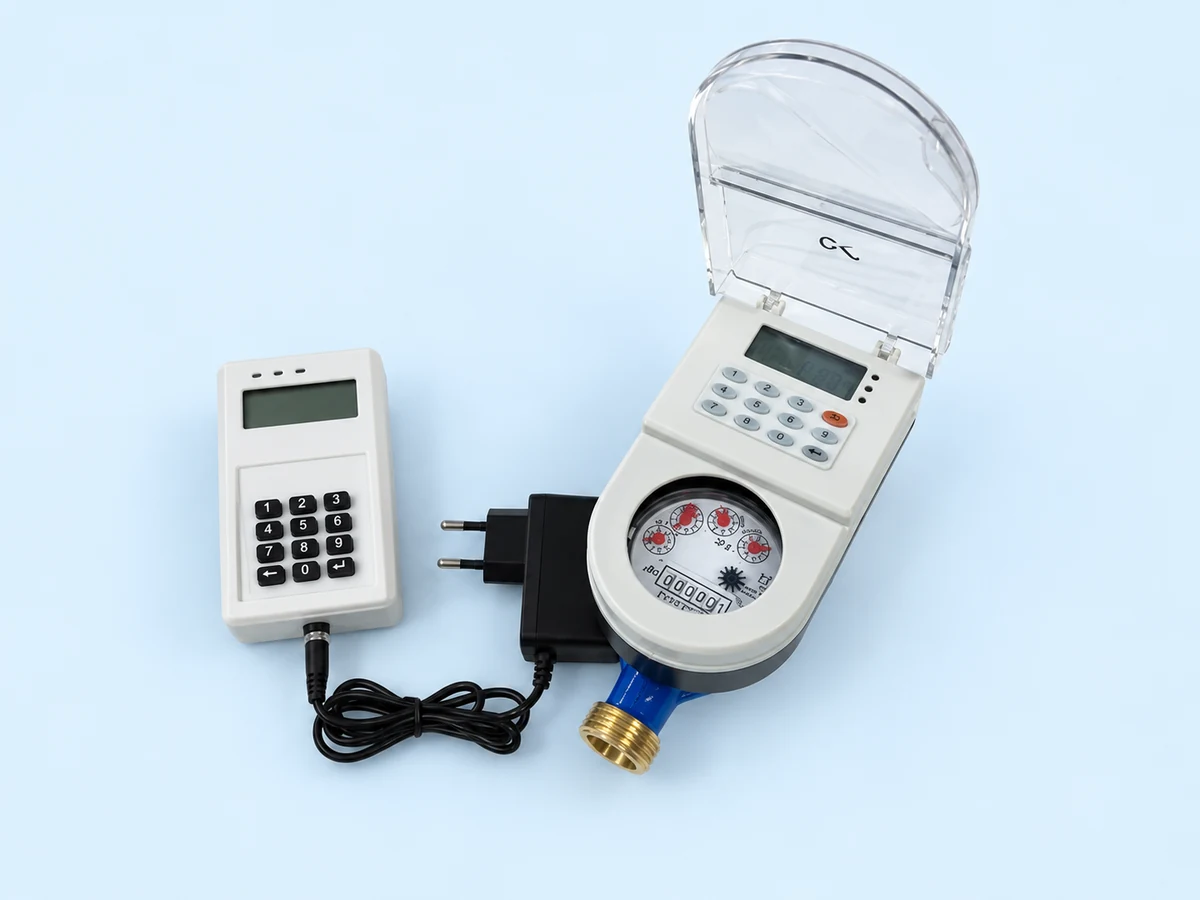
Prepayment water meter installed on a domestic supply

Apartment and dormitory prepayment

Prepaid suits buildings where tenants change often and collecting afterwards is unreliable. The tenant buys credit, the meter counts down, and the valve closes at zero. For dormitories and staff housing this also removes the shared-bill argument, because each room pays for its own consumption.

  • STS keypad recharge by token, no card to lose and no reader to buy.
  • STS prepaid available in both mechanical and ultrasonic bodies, DN15-DN25.
  • Valve closes at zero credit, which is what makes the scheme work.

High-rise zoned metering and retrofit

Tall buildings are usually metered by zone as well as by unit, because pressure zones and risers do not follow the apartment layout. Retrofitting an occupied tower is a different job from fitting out a new one: the water cannot be off for long, and the existing meter positions and pipe centres constrain what will fit.

  • Zone meters at riser level, household meters at unit level.
  • For retrofit, send us the existing meter position and pipe centres before ordering.
  • Ultrasonic bodies suit retrofit where a low starting flow and no mechanical wear are wanted.

Old-community replacement and bulk roll-outs

Replacement rounds run on a different logic from new build. The meters are going into occupied homes, the quantities are large, and the schedule is set by how fast crews can swap a unit. What usually decides the supplier is whether the whole round arrives on the agreed dates and whether the meters are labelled per address.

  • Bulk quantities delivered to a schedule agreed before production.
  • Address or unit labelling available so crews work from the box, not from a list.
  • Same body across the round so the spares holding stays simple.

Meters from this application group as they go in on real jobs.

Questions we get on this group

Which size do I need for a household connection?

DN15 and DN20 cover most household connections; DN25 is used where the riser or the local practice calls for it. Confirm against the pipe size on site before ordering.

Prepaid or postpaid?

Prepaid if collecting afterwards is the problem you are solving. Postpaid mechanical or ultrasonic if you already have a working reading and billing round.

Can the meters be labelled per apartment?

Yes. Send the unit list with the order and the meters are numbered and labelled before dispatch.

Bulk & Project Orders

Ready to Upgrade
Your Metering?

Contact our team for bulk pricing, project quotations and technical support.